Why a Guy Streaming From His Bedroom Is Outearning Your Favorite TV Star
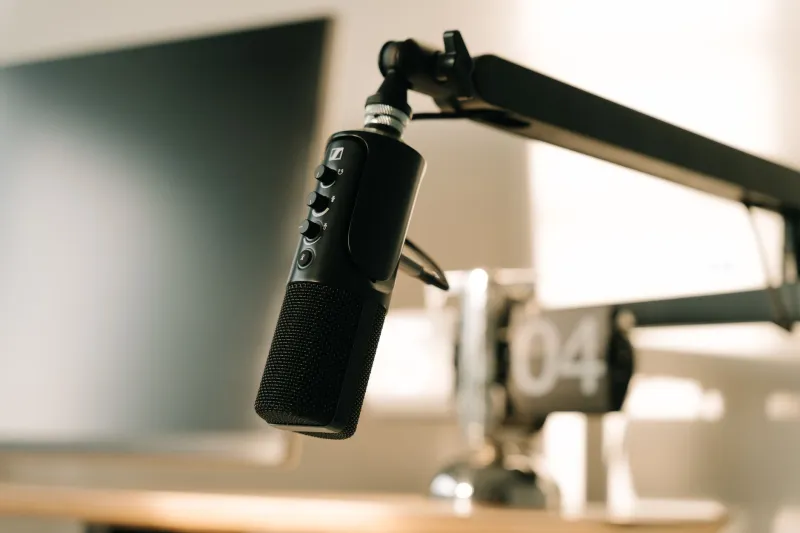
Picture this: a dude in a gaming chair, ring light buzzing, energy drink sweating on his desk, talking to a chat window like it's his best friend. Now picture a well-known TV personality — someone with an Emmy nomination, a publicist, and a SAG card — sitting across town wondering why their residual checks keep shrinking.
The bedroom streamer is making more money. And no, that's not a fluke.
Welcome to the parasocial economy — the financial engine quietly powering a new entertainment hierarchy that Hollywood hasn't fully wrapped its head around yet.
The Old Model Is Running on Fumes
Traditional celebrity income has always depended on middlemen. Networks, studios, agents, managers, publicists, brand deal gatekeepers — every person in that chain takes a cut before the talent sees a dollar. A TV personality might land a solid primetime role, earn a respectable per-episode fee, and then wait months for residuals that shrink every time a streaming deal gets renegotiated.
And brand partnerships? Those are increasingly going to influencers and streamers anyway, because the numbers on engagement tell a story that TV ratings simply can't compete with anymore.
Streaming platforms like Twitch, YouTube Live, and Kick have essentially handed creators a direct line to revenue — and more importantly, a direct line to their audience. Cut out the middlemen, and suddenly the math looks very different.
What "Mid-Tier" Actually Means in Streaming Money
When people hear "mid-tier Twitch streamer," they imagine someone scraping by. That assumption is wildly off.
A streamer with around 2,000 to 5,000 average concurrent viewers — which wouldn't even register on a network executive's radar — can realistically pull in $10,000 to $30,000 a month through a combination of subscriptions, Bits (Twitch's tipping currency), ad revenue, and direct sponsorships. Some do considerably better.
Twitch subscriptions alone are a reliable recurring revenue stream. At $4.99 per month (with Twitch taking a cut, though the split varies by creator tier), a streamer with 3,000 active subscribers is looking at somewhere between $7,000 and $10,000 monthly just from subs — before donations, merch, or brand deals even enter the picture.
Compare that to a TV actor with a few notable credits who isn't quite A-list. Residuals from streaming rights have been notoriously gutted post-strike negotiations, episodic fees for mid-level roles can be inconsistent, and there's no guarantee of renewal. The floor is much lower, and the ceiling is controlled by someone else.
The Parasocial Attachment Is the Product
Here's the part that makes traditional entertainment executives genuinely uncomfortable: the reason streaming creators make so much isn't just the platform mechanics. It's the relationship.
Parasocial bonds — the one-sided emotional connections audiences form with media personalities — are nothing new. People have felt like they "know" talk show hosts and news anchors for decades. But live streaming supercharges that dynamic in a way broadcast TV never could.
When a streamer reads your username out loud, responds to your comment in real time, or remembers that you mentioned your dog last week — that interaction feels personal. It is personal, in a way. The chat window creates an illusion of intimacy that a scripted drama simply cannot replicate. You're not watching a character. You're hanging out with someone.
That feeling of connection is what drives people to hit the subscribe button, to send a $20 donation with a message, to buy the merch drop, and to show up every single day. It's loyalty that's been earned through consistent, unscripted presence — and it converts to cash at a rate that traditional celebrity fandom rarely matches.
Donations and the "Gift Economy" Nobody Talks About Enough
One of the most fascinating (and honestly kind of wild) revenue streams in live streaming is direct viewer donation culture. On Twitch, viewers send Bits or direct Cheers. On YouTube, Super Chats light up the stream. On platforms like Kick, cash gifts can roll in during a single broadcast at a pace that would make a network ad buyer's jaw drop.
This isn't charity. Viewers aren't donating because they feel sorry for the streamer. They're paying for acknowledgment, for a moment of connection, for the experience of being part of something live. It's closer to buying a front-row experience at a concert than it is to tipping your server.
The result? During a popular stream, a creator can pull in thousands of dollars in a single session — money that arrives instantly, without a studio, a network, or a distribution deal involved.
Hollywood Is Starting to Notice (Slowly)
The entertainment industry isn't completely blind to this shift. You've seen traditional celebrities launch their own streams, their own YouTube channels, their own Twitch accounts — with mixed results. Because here's the thing: fame doesn't automatically transfer.
A TV star showing up on Twitch without understanding the culture, without being willing to be genuinely present and a little vulnerable, usually falls flat. The audience can tell when someone is performing versus just being there. Parasocial relationships require authenticity, or at least a convincing version of it.
The streamers who are winning aren't winning because they have the biggest budgets or the most polished production. They're winning because they show up consistently, they know their audience by name (or at least pretend to convincingly), and they've built communities rather than fan bases.
What This Means for the Future of Entertainment Money
The parasocial economy isn't a bubble. It's a structural shift in how entertainment value gets created and monetized. Platforms like JNeiPTV are built around exactly this reality — the idea that live content, real-time connection, and direct audience relationships are where entertainment is actually headed.
The old celebrity hierarchy — where fame equaled income equaled power — is being replaced by something more democratic and, frankly, more interesting. The creators who understand that their audience is the product, and treat that relationship accordingly, are the ones building sustainable careers.
Your favorite TV star might have a bigger Wikipedia page. But the guy streaming from his bedroom might have a bigger bank account. And increasingly, he's also got a more loyal audience.
That's not a trend. That's a revolution.