Signing Your Streaming Soul Away: The Hidden Dangers of Platform Exclusivity Deals
There's a moment every creator dreams about. A major platform slides into your DMs with a number that makes your hands shake. They want you — exclusively. They're promising promotion, resources, a dedicated audience, maybe even a production budget. It feels like graduation. Like you finally made it.
Then, twelve to eighteen months later, the platform quietly deprioritizes your content category. Your views tank. Your contract still has a year left on it. And you can't post anywhere else.
Welcome to the creator's dilemma.
The Allure Is Real — So Is the Trap
Let's be honest: exclusivity deals aren't inherently evil. For the right creator at the right time, they can be genuinely career-defining. You get stability, visibility, and the kind of financial cushion that lets you take creative risks without worrying about the rent. On paper, it sounds like the dream gig.
But the entertainment industry has a long, uncomfortable history of turning dream gigs into cautionary tales. The difference between a record deal that launched a career and one that buried it often came down to a few lines of contract language — and the same dynamic is playing out in streaming right now.
When a platform offers exclusivity, what they're really buying is control. Control over where your content lives, how it gets promoted, and — critically — whether it continues to exist at all if the business relationship sours. Creators who signed deals with platforms that later got acquired, restructured, or simply shifted their content strategy have found themselves in a kind of professional purgatory: locked out of other opportunities while their primary home quietly stops caring about them.
The Algorithm Is Not Your Friend
Here's something nobody in the pitch meeting will tell you: even if a platform genuinely wants you to succeed on day one, that enthusiasm is always conditional. Streaming platforms live and die by engagement metrics, and their recommendation algorithms are optimized for the platform's goals, not yours.
You might sign an exclusive deal, push all your energy into content for that one platform, and then watch helplessly as the algorithm decides your stuff is less sticky than a new format they're testing. Suddenly you're getting half the impressions you were promised. Your audience, which you trained to find you in one place, starts drifting. And because you're exclusive, you can't compensate by building somewhere else.
Several mid-tier streamers who built substantial followings on platforms like Mixer — yes, that Mixer, the Microsoft-backed platform that shut down in 2020 with almost no warning — learned this lesson the brutal way. Thousands of creators had invested months or years building audiences there, some under exclusive arrangements, and when the plug got pulled, they had to essentially start over on Twitch or YouTube. The ones who recovered fastest were those who had quietly maintained some presence elsewhere, even in violation of their spirit-of-the-contract obligations.
What "Exclusive" Actually Means in the Fine Print
Exclusivity deals vary wildly in their terms, and that variation matters enormously. Some deals are platform-exclusive but allow creators to maintain social media presence and promotional content elsewhere. Others are so broad they restrict a creator from appearing in any monetized video content on any platform — including guest spots on someone else's stream.
The smartest creators — and their lawyers — negotiate hard on these boundaries. Can you still post short-form content on TikTok or YouTube Shorts? Can you do podcast appearances? Can you maintain an email list or a Patreon for community engagement even if the actual streaming content is locked to one platform?
These aren't minor details. They're the difference between having a fallback and having nothing if the deal goes sideways.
The Multi-Platform Hedge That Nobody Talks About
Here's what the most strategically savvy creators are actually doing right now: they're diversifying before they need to. Not because they're planning to break any contracts, but because they understand that audience ownership is the only real currency in this business.
An email list doesn't belong to a platform. A Discord community is portable. A podcast audience follows the RSS feed, not the host's exclusive deal. Creators who think in terms of owned audiences — not rented ones — are building something that survives platform pivots, algorithm changes, and corporate restructuring.
Some are turning down exclusive deals entirely in favor of non-exclusive arrangements that pay slightly less upfront but preserve their freedom to distribute wherever the audience lives. It's a longer game, and it requires more hustle, but it's also a game where you hold more of the cards.
When Platforms Change the Rules Mid-Game
Perhaps the most infuriating part of the exclusivity trap isn't the contracts themselves — it's how often platforms change their priorities without warning or accountability. A platform that was aggressively courting gaming streamers two years ago might pivot hard toward sports or live events content today. The creators they signed in the gaming push are still under contract, but the promotional support, the algorithmic visibility, the internal champion who believed in their work — all of it can evaporate.
This isn't hypothetical. It's happened across the industry repeatedly. Platforms acquire creators to signal a content direction, then shift that direction when the business case changes. The creators are left holding contracts that technically pay them but practically strand them.
The power imbalance here is significant. A platform can absorb the cost of a creator who isn't performing the way they hoped. A creator can't absorb the cost of a platform that stops caring about them.
So What's the Move?
None of this means creators should reflexively reject every exclusive deal that comes their way. The money is real, the exposure can be legitimate, and for creators at certain stages of their career, the stability is worth something genuine.
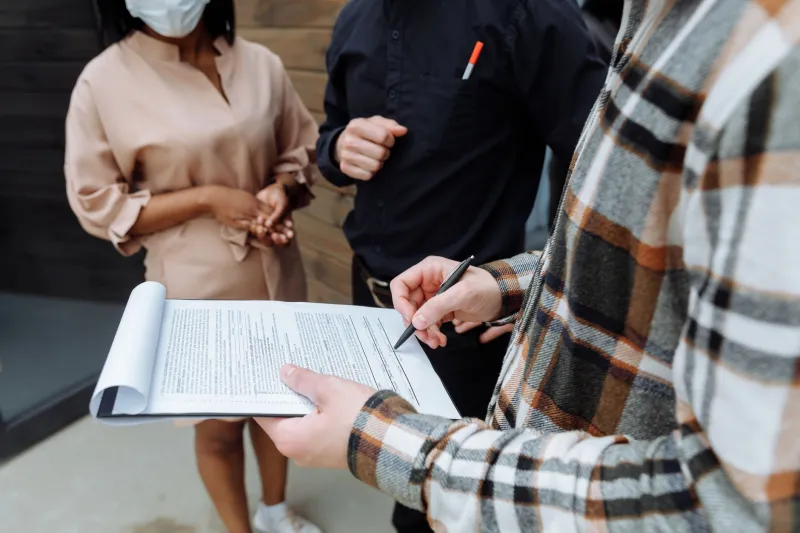
But going in with clear eyes matters. That means reading the contract — the whole thing, with an actual entertainment lawyer, not just a quick skim. It means negotiating hard on the scope of exclusivity, the exit clauses, and the minimum promotion commitments. It means asking hard questions about what happens if the platform gets acquired or shuts down a content vertical.
And it means building your owned audience infrastructure in parallel, every single day, regardless of what any deal says about where your content can live.
The platforms need creators more than they'll ever admit. The creators who understand that — and negotiate accordingly — are the ones still standing when the next Mixer moment hits.
Stream bold. Just make sure you own a piece of the water before you jump in.