Doomscrolling Reddit at Midnight Just to Find Something Good to Watch — And It Works Better Than Any Algorithm

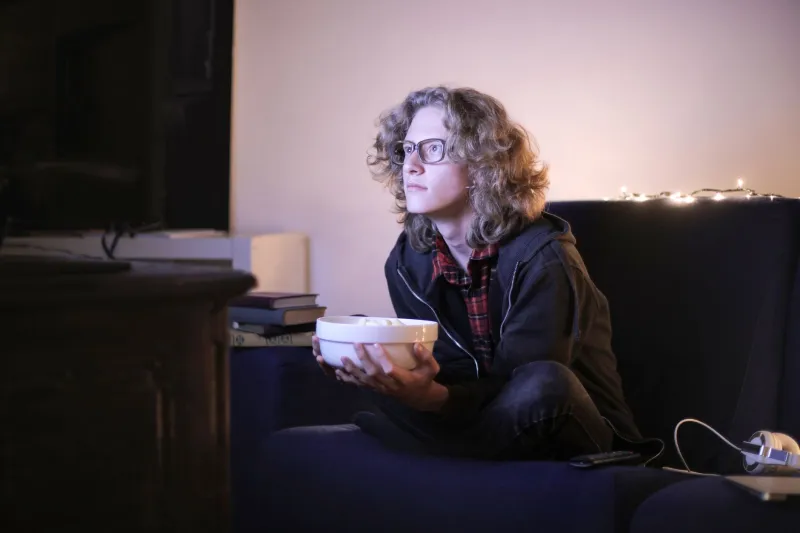
Here's a scene that probably sounds familiar. You open your streaming app of choice, stare at the homepage for a solid four minutes, watch the same autoplay trailer loop twice, and then close the app without watching anything. Defeated. You pull up your phone, type something like "best thriller series you've never heard of" into Reddit's search bar, and forty-five minutes later you've got a list of twelve shows you actually want to watch.
This is the algorithm revolt — and it's happening quietly, stubbornly, and at massive scale.
The Recommendation Engine That Nobody Asked For
Streaming platforms have poured enormous resources into personalization technology. Netflix famously claims its recommendation system saves the company over a billion dollars annually by keeping subscribers from canceling. Spotify built an entire brand identity around its Discover Weekly playlist. The pitch has always been the same: let the machine learn what you like, and it'll serve you exactly what you want.
Except viewers aren't buying it anymore.
The core problem isn't that the algorithms are broken — it's that they're optimized for the wrong thing. Platform recommendation engines aren't really designed to find you the best possible content. They're designed to keep you on the platform, watching something, anything, for as long as possible. Those two goals sound similar but they're fundamentally different. One serves the viewer. The other serves the quarterly earnings call.
The result is a feedback loop that feels increasingly suffocating. Watch one true crime documentary and suddenly your entire homepage is true crime for three weeks. Rewatch a comfort show from 2015 and the algorithm decides that's your whole personality now. Recommendations start to feel less like discovery and more like a mirror reflecting a slightly distorted version of your own watch history back at you.
Where People Are Actually Going Instead
So where are viewers going when the algorithm fails them? The answer is everywhere — and that's kind of the point.
Reddit communities like r/televisionsuggestions, r/NetflixBestOf, and dozens of genre-specific subreddits have become genuinely powerful discovery engines. The format lends itself perfectly to the problem. Someone posts a specific request — "I want something like Severance but weirder" or "show me the most underrated foreign drama from the last five years" — and within hours they've got a crowd-sourced list of recommendations backed by real human reasoning, personal context, and actual passion.
That last part matters more than it might seem. When an algorithm recommends something, there's no explanation, no enthusiasm, no story behind the suggestion. When a real person on Reddit tells you to watch a show, they usually tell you why — and that emotional context changes the entire experience of discovering something new.
Discord has become another major player in this shift, particularly for younger viewers. Niche entertainment servers built around specific genres, fandoms, or even individual creators have developed their own recommendation cultures. Members share watchlists, debate rankings, and flag underrated titles with the kind of specificity no platform algorithm can replicate. It's less about scale and more about trust — you come to know the taste of certain community members, and when they recommend something, you take it seriously.
And then there's TikTok, which has essentially invented its own genre of content around this exact problem. "What to watch" videos, hidden gem compilations, and deep-dive recaps from creators who clearly love what they're talking about have become some of the platform's most reliably engaging formats. These aren't polished press releases. They're enthusiastic, personal, sometimes chaotic endorsements from real people who just want to tell you about a show they loved — and viewers are eating it up.
The Trust Problem Nobody at These Companies Wants to Talk About
Underlying all of this is something the streaming industry has a hard time saying out loud: viewers don't fully trust the platforms recommending content to them.
And honestly, can you blame them? Streaming platforms have a financial stake in promoting their own original content over licensed titles. They have deals, partnerships, and marketing budgets that influence what gets surfaced on a homepage. When Netflix or Hulu pushes a new original series into your recommendations, is it because the algorithm genuinely thinks you'll love it, or because the platform needs to justify the production budget? Most viewers have started to wonder.
Social discovery sidesteps that conflict of interest entirely. A random person on a subreddit has no financial incentive to recommend a specific show. A TikTok creator making a "hidden gems" video isn't getting a check from a streaming platform's marketing department (usually). The recommendation feels clean in a way that algorithmic suggestions increasingly don't.
This is a legitimacy gap that platforms have largely failed to address, and it's getting wider.
What Streaming Platforms Are Getting Wrong About Discovery
The irony is that many platforms have the raw material to build something genuinely better — they just haven't prioritized it. User reviews, community features, social sharing tools — these are all things that could help build the kind of authentic discovery culture that viewers are currently building themselves on third-party platforms. Instead, most streaming apps still feel like solo experiences, designed for passive consumption rather than active community.
Some platforms have made tentative moves toward social features over the years, but most have been abandoned or underdeveloped. The business model has historically rewarded watch time over satisfaction, and social features don't always move that needle in obvious ways.
Meanwhile, the platforms that are winning the discovery conversation right now aren't streaming services at all — they're Reddit moderators, Discord admins, and TikTok creators who figured out that people desperately want someone to just tell them what's worth their time.
The Bigger Picture for Streaming Culture
What's happening here is actually a pretty significant shift in how entertainment culture flows. For decades, the gatekeepers of what was worth watching were critics, TV networks, and later algorithm-driven recommendation systems. Now that power is fragmenting into thousands of micro-communities, each with their own taste cultures and discovery rituals.
For viewers, this is mostly a good thing. The content that rises to the top in these communities tends to be genuinely good — stuff with real staying power, not just whatever got the biggest promotional push. Shows that would have quietly disappeared on a platform's back catalog are getting second lives because the right Reddit post landed at the right time.
For streaming platforms, it's a wake-up call that's been sounding for a while now. The algorithm was supposed to solve the paradox of choice. Instead, it made it worse — and viewers went and solved the problem themselves, without any help from the platforms at all.
Maybe that's the real story here. Not that the algorithm failed, but that people were always going to find each other and talk about what they love. The platforms just forgot to leave room for that.