Streaming Looks Like a Dream Job Until It Isn't: The Burnout Epidemic Nobody Talks About
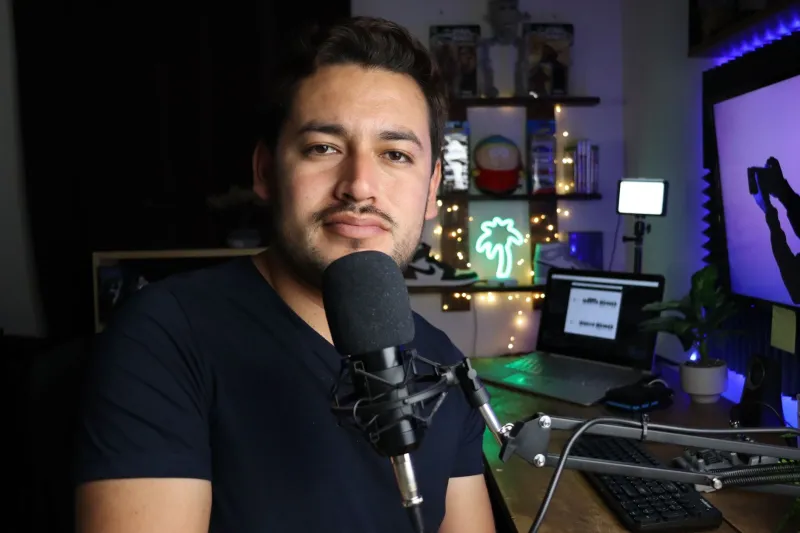
From the outside, it looks like the perfect gig. You set your own hours, build a community around something you love, and if things go well, you make a living doing it. No boss, no commute, no fluorescent office lighting. Just you, a decent mic, and an audience that actually wants to hear what you have to say.
Except that's not really the full picture. Not even close.
For a growing number of streamers — people who built real audiences on Twitch, YouTube Live, Kick, and a dozen other platforms — the dream has a brutal expiration date. Industry observers and mental health professionals working inside the creator space are sounding the alarm: most streamers who burn out do so before the two-year mark, and a lot of them never come back.
The Grind Is Real, and It's Relentless
Here's something the glossy "how I became a full-time streamer" videos don't cover: the algorithm doesn't care if you're exhausted.
Platforms reward consistency above almost everything else. Stream less, and your discoverability tanks. Take a week off, and the metrics punish you for it. Miss a few upload days, and the audience you spent 18 months building starts to drift. The pressure to show up — every single day, often for hours at a time — is baked directly into how these platforms are designed.
"It's not a creative career in the traditional sense," says one former Twitch partner who stepped away after two and a half years. "It's more like running a small business where the product is your personality, and the factory never closes."
That's not hyperbole. Many mid-tier streamers are producing content five to seven days a week, managing their own social media presence, editing VODs, engaging with Discord communities, negotiating brand deals, and handling viewer interactions — all simultaneously. There's no HR department. There's no paid time off. And there's definitely no one telling you it's okay to log off for the weekend.
When the Audience Becomes the Pressure
Parasocial relationships are one of streaming's most powerful draws — and one of its most psychologically complicated features.
Viewers feel genuinely connected to the streamers they watch. They show up every stream like they're visiting a friend. They tip, they subscribe, they send gifts. That sense of community is real, and for a lot of creators, it's the most meaningful part of the job.
But it also creates an invisible obligation that's incredibly hard to shake.
"You feel like you owe them," explains a former variety streamer who left the space in 2023 after building a following of nearly 40,000. "When you take a day off, you get messages asking if you're okay, if you're quitting, if they did something wrong. It sounds sweet, but after a while it starts to feel like you can't disappear for even a moment without letting people down."
Dr. Kira Lawson, a therapist who works specifically with digital creators based out of Los Angeles, calls this "audience attachment anxiety" — a phenomenon where creators struggle to separate their personal worth from their viewer metrics and community expectations. "The platform incentivizes emotional intimacy," she says. "But emotional intimacy at scale, performed daily, without boundaries, is genuinely exhausting. It's a form of emotional labor that most people aren't prepared for."
Algorithm Dependency Is Its Own Kind of Trap
If parasocial pressure is the emotional weight, algorithm dependency is the cognitive one.
Streamers live and die by numbers they don't control. A platform update can crater your reach overnight. A change in recommended content policies can cut your new viewer pipeline in half. One bad month of metrics, and suddenly the income you've built your life around starts looking unstable.
This creates a specific kind of anxiety that mental health professionals are increasingly recognizing: a constant state of low-grade vigilance, where creators are perpetually monitoring dashboards, comparing their numbers to competitors, and making creative decisions based on what the algorithm seems to want rather than what they actually enjoy making.
"That's when the joy starts leaving," says one former gaming streamer from Texas who now works in video production. "When you stop asking 'what do I want to stream today' and start asking 'what will perform well today,' you've already lost something you might not get back."
What Separates the Ones Who Last
Not everyone burns out. Some creators have been streaming consistently for five, seven, even ten years. So what's different about them?
A few patterns emerge when you look closely. First, sustainable creators tend to treat boundaries like a professional requirement, not a luxury. They schedule time off the same way they schedule streams. They communicate proactively with their communities about taking breaks, and they don't apologize for it.
Second, they've usually diversified their relationship with the platform itself. Rather than depending entirely on one algorithm's favor, they've built email lists, Patreon communities, or other direct-to-audience channels that don't evaporate when a platform changes its recommendation logic.
Third — and this one's harder to quantify — they've figured out how to separate their identity from their metrics. When a stream performs poorly, it's data, not a verdict on their worth as a person or creator. That psychological distance sounds simple, but it takes real work to develop.
"The ones who last the longest are usually the ones who were willing to grow slowly," Dr. Lawson notes. "They didn't try to sprint to 10,000 followers in three months. They built something sustainable from the beginning, even if it took longer."
The Platform's Role in All of This
It would be easy to put all of this on individual creators — to frame burnout as a personal failure of resilience or time management. But that framing lets the platforms off the hook in ways they probably shouldn't be.
The incentive structures built into major streaming platforms are specifically designed to maximize creator output. More streams, more clips, more uploads, more engagement. The business model benefits from creators who produce constantly, and nothing in those systems actively encourages rest or sustainability.
Some platforms have started acknowledging this — Twitch has quietly introduced features encouraging creators to set stream schedules rather than go live indefinitely, and YouTube has published creator wellness resources. But critics argue these gestures are surface-level responses to a structural problem.
"You can't add a wellness blog post to a system that fundamentally rewards overproduction and call it support," one digital media researcher put it bluntly.
If You're Watching, You're Part of This Too
Here's something worth sitting with as a viewer: the communities we build around our favorite streamers matter. When a creator takes a break and the comment section fills with "where are you" and "did you quit," that's pressure. Real pressure.
Showing up for creators you love also means giving them room to be human — to take a week off, to stream less when life gets heavy, to change their content without it feeling like a betrayal. The best streaming communities aren't just audiences. They're the kind of support system that makes long careers possible.
Because the streamers worth watching for the long haul? They need that room to breathe. And if we want them around in year five and year ten, we probably need to start giving it to them.