Done Playing by Someone Else's Rules: How Big Creators Are Going Independent and Building Their Own Streaming Empires
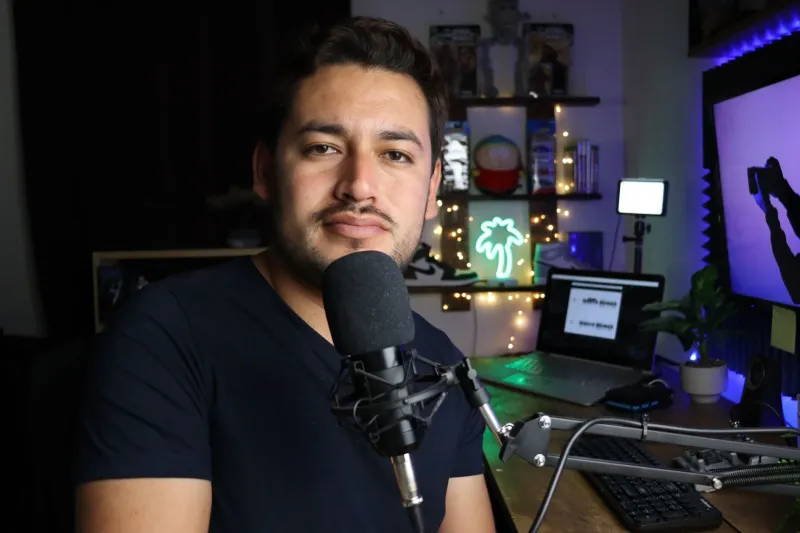
There's a moment every successful creator seems to hit eventually. The numbers are good. The audience is loyal. The brand deals are rolling in. And yet something feels off — like you're building a house on land you don't actually own.
That feeling has been driving a quiet but unmistakable shift in the streaming world. Some of the most established names in online content aren't just diversifying their presence anymore. They're packing up entirely and launching their own platforms. Not Patreon pages. Not Substack newsletters. Full-blown, subscription-based streaming services with original programming, live events, and direct billing relationships with their fans.
It's a big swing. And it's changing what the creator economy actually looks like.
The Platform Problem Nobody Likes Talking About
For years, the conventional wisdom was simple: build your audience where the audience already is. YouTube, Twitch, TikTok — the platforms did the hard work of aggregating eyeballs, and creators just had to show up consistently and play the game.
But the game has some serious fine print.
Revenue share agreements have always favored the house. A creator pulling in a million views might walk away with a fraction of what that traffic is actually worth to the platform's advertisers. Add in the constant threat of demonetization, algorithm shifts that can tank a channel overnight, and the creeping reality that your entire audience relationship is mediated by a third party — and the math starts to look different.
Then there's the data problem. Creators on major platforms know surprisingly little about their own audiences. You can see view counts and rough demographics, but you don't own the relationship. If YouTube changes its terms tomorrow, or Twitch decides your content category is suddenly out of favor, there's not much you can do about it. Your followers are really their users.
For creators who've spent years building genuine community, that's a frustrating place to sit.
What "Going Independent" Actually Means
Launching your own streaming platform sounds glamorous in a press release. In practice, it means becoming a tech company overnight — whether you wanted to or not.
The infrastructure alone is a serious undertaking. Video hosting at scale, low-latency live streaming, payment processing, subscriber management, content delivery networks that don't buckle under traffic spikes — none of that is plug-and-play. Some creators have leaned on white-label solutions from companies like Uscreen or Vimeo OTT to handle the heavy lifting. Others have gone fully custom, hiring engineering teams and building from the ground up.
Both approaches have tradeoffs. The white-label route is faster and cheaper upfront, but you're still operating on someone else's infrastructure with someone else's limitations. The custom build gives you full control, but you're suddenly managing engineers, dealing with server costs, and debugging payment failures at 2 a.m. when your live event is mid-stream.
Creators who've been through it will tell you the technical side was the part they underestimated most.
The Money Case — And Why It's Compelling
Despite the headaches, the financial argument for going independent is hard to ignore.
On a platform like Twitch, subscription revenue gets split. On YouTube, ad revenue is shared and wildly inconsistent. But when a creator runs their own subscription service at, say, $8 a month with 50,000 paying subscribers, that's $400,000 in monthly recurring revenue with no platform taking a cut beyond payment processing fees. The math gets real attractive real fast.
Beyond subscriptions, independent platforms open up revenue streams that just aren't available on traditional services. Pay-per-view live events. Tiered membership levels with exclusive perks. Bundled merchandise. Digital downloads. Licensing deals negotiated directly with brands instead of through a platform's ad marketplace.
The creators who've made this work tend to have one thing in common: they already had a deeply engaged, niche audience before they made the jump. They weren't chasing follower counts — they were converting existing fans into paying customers. That distinction matters enormously.
The Audience Relationship Reboot
Here's something that doesn't get enough attention in these conversations: going independent forces creators to completely rethink what their relationship with their audience actually is.
On a free platform, the implicit contract is pretty loose. Viewers show up when they feel like it, skip around, and owe you nothing. When someone hands over a monthly subscription fee to your personal platform, the expectations shift. They want reliability. Consistent content. A reason to keep paying. The tolerance for "I've been busy" posts drops considerably.
Some creators have found this accountability genuinely energizing. The directness of the relationship — knowing that your audience is choosing you specifically, not just stumbling across your content in a feed — creates a different kind of creative motivation. Others have found it suffocating, especially during creative dry spells or personal rough patches.
The ones who thrive tend to treat their platform less like a content dump and more like a curated experience. Regular live streams. Exclusive behind-the-scenes content. Community features that make subscribers feel like they're part of something rather than just watching something.
The Unexpected Challenges Nobody Warned Them About
Ask any creator who's launched their own platform what surprised them most, and you'll get a pretty consistent list.
Customer support is almost always near the top. When you're the platform, you're also the help desk. Billing issues, login problems, app glitches — your audience comes directly to you, and that volume can be overwhelming without a dedicated team.
Discoverability is another gut-punch. On YouTube or TikTok, the algorithm might surface your content to new viewers organically. On your own platform, there is no algorithm working in your favor. Every new subscriber has to be actively recruited, which means your marketing effort has to scale up dramatically right when you're already stretched thin building the actual product.
And then there's churn — the quiet killer of subscription businesses. Getting someone to sign up is one thing. Keeping them subscribed month after month requires a consistent reason to stay. Creators who launched with a bang and then coasted on their existing content library have watched subscriber counts erode faster than they expected.
What This Means for the Broader Streaming Landscape
The creator exodus — even if it's still relatively small in absolute numbers — is a signal worth paying attention to. It suggests that the traditional platform model, where a handful of giant services aggregate all the talent and capture most of the value, may be starting to crack at the edges.
For viewers, the fragmentation creates real tradeoffs. More independent platforms mean more subscription decisions, more apps to manage, more places to check for content. It's the same fatigue that's already plaguing the TV streaming market, now bleeding into the creator space.
But it also means creators with genuinely distinct voices and loyal audiences have more leverage than they've ever had. The technology to run a real streaming business is more accessible than it's ever been. The audience appetite for direct creator relationships is demonstrably real.
The platforms that built their empires on creator labor are watching this trend carefully. And they should be.
Because the smartest creators have figured out something important: the follower count was never the asset. The relationship was. And now they're building the infrastructure to own it.