When Free Becomes a Fee: The Emotional Fallout of Streamers Moving Behind Paywalls

There's a specific kind of internet betrayal that doesn't get talked about enough. It's not a cheating scandal or a hot mic moment. It's quieter than that — and somehow, for a lot of people, it hits harder. It's the moment a streamer you've watched for free for three years announces they're moving to a paid platform, and suddenly you're staring at a subscription prompt like you've been asked to put a price on a relationship.
That feeling is real. And it's complicated. And the entertainment industry is still figuring out how to handle it.
The Intimacy Problem Nobody Planned For
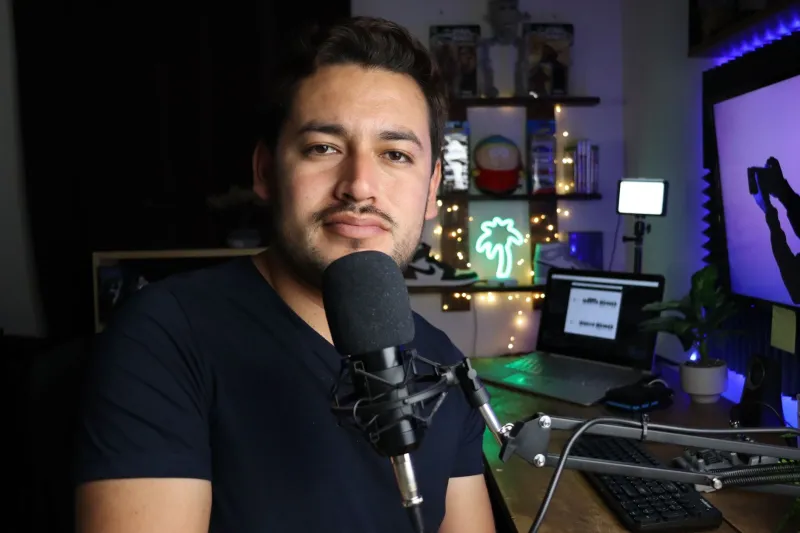
Streaming built something TV never quite managed: genuine closeness. Not the manufactured parasocial warmth of a late-night host reading off a teleprompter, but actual, unscripted connection. Streamers talk to their chat in real time. They remember usernames. They share their bad days, their wins, their opinions on fast food at 2 a.m. Over months and years, that adds up to something that feels — even if it technically isn't — like a friendship.
So when that same creator announces a move to Nebula, a Patreon-exclusive format, or an app nobody's heard of, fans don't just see a business decision. They experience it as a shift in the terms of a relationship they didn't know had terms. Suddenly there's a price tag on access, and that reframes everything that came before it.
Psychologists call this parasocial relationship dynamics — the one-sided emotional investment audiences develop with media personalities. But what makes streaming different from traditional celebrity fandom is the illusion of reciprocity. Streamers respond to your comments. They use your name. They make you feel seen. When that access gets monetized, the illusion cracks.
The Ninja Moment That Changed How We Talk About This
The most high-profile case study in exclusivity fallout is still Tyler "Ninja" Blevins' jump to Mixer back in 2019. Microsoft reportedly paid somewhere in the ballpark of $20–30 million to pull one of Twitch's biggest names onto their platform. On paper, it made sense — get the biggest fish, build an audience around him.
What actually happened was a slow-motion collapse. Mixer's existing user base was a fraction of Twitch's. Ninja's longtime fans didn't follow in the numbers anyone hoped. And when Microsoft shut Mixer down entirely in 2020, Ninja returned to Twitch and YouTube, but the cultural moment had passed. The audience had moved on, found new creators, rebuilt their viewing habits. The exclusivity deal didn't just fail commercially — it severed the continuity of a community that had taken years to grow.
The lesson wasn't just about platform loyalty. It was about what happens when you ask an audience to uproot themselves for you. Some will. Most won't.
Patreon and the "Just a Few Bucks" Miscalculation
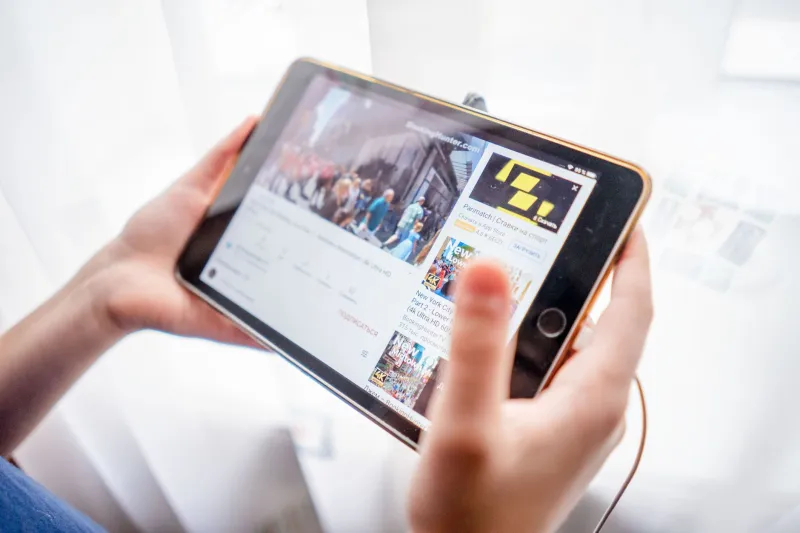
Ninja's situation involved a full platform migration, but the more common version of this story plays out on Patreon every day. A YouTube creator with a million subscribers launches a membership tier. The price seems low — $5 a month, maybe $10. The creator frames it as "supporting the work" or "joining the community." And then the comments section lights up.
Here's why: when you've been consuming someone's content for free for years, being asked to pay doesn't feel like a new transaction. It feels like a retroactive renegotiation. Fans start doing math in their head — I've watched 400 videos, that's 200 hours of my life, and now you want $10 a month? The resentment isn't really about the money. It's about the implied message that the relationship was conditional all along.
Creators who handle this well tend to do a few things right. They keep a meaningful amount of content free. They're transparent about why they're monetizing — rising production costs, platform revenue drops, wanting to go independent. And they give their existing audience time to adjust rather than flipping a switch overnight.
Creators who handle it badly treat the paywall like a business announcement rather than a community conversation. They underestimate how personal this is going to feel.
The Exclusive Platform Trap
There's a version of this that's even messier: the exclusive streaming deal. A creator signs with a platform — say, a live sports network, a niche streaming service, or even a podcast network — and suddenly their content is only available in one place that requires a separate subscription.
For fans who already pay for three or four streaming services, this is the breaking point. Subscription fatigue is real and well-documented. According to recent data from Deloitte's Digital Media Trends survey, a growing number of US consumers are actively cutting subscriptions, not adding them. Asking a loyal viewer to add another monthly charge for one creator is a big ask — and a lot of people will say no, not because they don't care, but because they've simply hit their limit.
What often follows is a quiet kind of grief. Fans don't always rage-quit. Sometimes they just... drift. They stop watching. They find someone else. And when the exclusive deal eventually ends — and many of them do — the creator comes back to a smaller, colder audience than the one they left.
What Actually Works When You Have to Monetize
None of this means creators shouldn't charge for their work. They absolutely should. The economics of content creation are brutal, and ad revenue alone isn't a sustainable model for most people doing this seriously. The issue isn't monetization — it's how it's handled.
The creators who navigate this best treat the transition as a community event, not a policy change. They explain the why. They offer a free tier that still delivers real value. They make the paid content feel additive — bonus stuff, behind-the-scenes access, early releases — rather than extractive, where the free content gets hollowed out to push people toward paying.
Transparency goes a long way. So does patience. Audiences that feel respected through a transition are far more likely to follow than audiences that feel ambushed.
The Bottom Line
Streaming created a kind of intimacy that the entertainment industry wasn't entirely prepared for. Audiences don't just watch their favorite creators — they know them, or at least feel like they do. That's a powerful thing, and it's also a responsibility.
When a paywall goes up, it doesn't just change a distribution model. It changes the emotional contract between a creator and their community. The streamers who understand that — and treat their audience accordingly — tend to come out the other side intact. The ones who treat it like a pure business move often find out, the hard way, that their audience was never just a metric.