Spending More to Lose More: The Dirty Secret Behind Overproduced Streaming Content
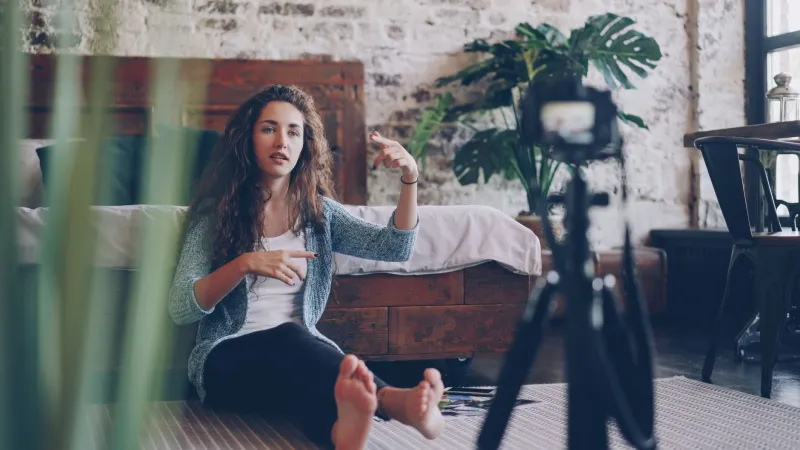
There's a weird thing happening in streaming right now. Platforms are pouring serious money into production — professional lighting rigs, multi-camera setups, cinematic color grading, original scores — and audiences are... leaving. Not always dramatically, not always loudly, but they're drifting toward creators who are filming in their living rooms, using a single decent mic, and just talking to the camera like a real person.
That's not supposed to happen. Better production is supposed to mean better content. More investment equals more quality equals more viewers. That's the logic that built Hollywood, and it's the same logic that streaming platforms adopted when they started competing with each other for prestige. But somewhere along the way, the math stopped working.
The Arms Race Nobody Asked For
It started innocently enough. Early streaming platforms needed credibility. They were fighting the perception that internet video was low-rent, amateur-hour stuff. So they hired showrunners, built sets, and started producing content that looked indistinguishable from what you'd see on HBO or ABC. It worked — for a while.
But then something shifted. The more polished everything became, the more it started feeling like... TV. And audiences hadn't cut the cord to watch TV. They'd cut the cord from TV. They wanted something different — something that felt less like a broadcast and more like a conversation.
Creators who understood that early on are now sitting on massive, loyal audiences. Meanwhile, some well-funded streaming ventures with gorgeous production values are struggling to hold onto subscribers past the first free month.
Why Raw Beats Refined (More Often Than You'd Think)
Here's the thing about high production value — it creates distance. When everything is perfectly lit, expertly edited, and scored with moody background music, it signals to the viewer that what they're watching is a product. And products don't have relationships with people. People do.
The creators who are winning right now aren't winning because their audio is crisp or their thumbnails are professionally designed. They're winning because their audience feels like they know them. There's a parasocial intimacy to watching someone on a shaky webcam talk through their genuine thoughts on something that no amount of production polish can replicate.
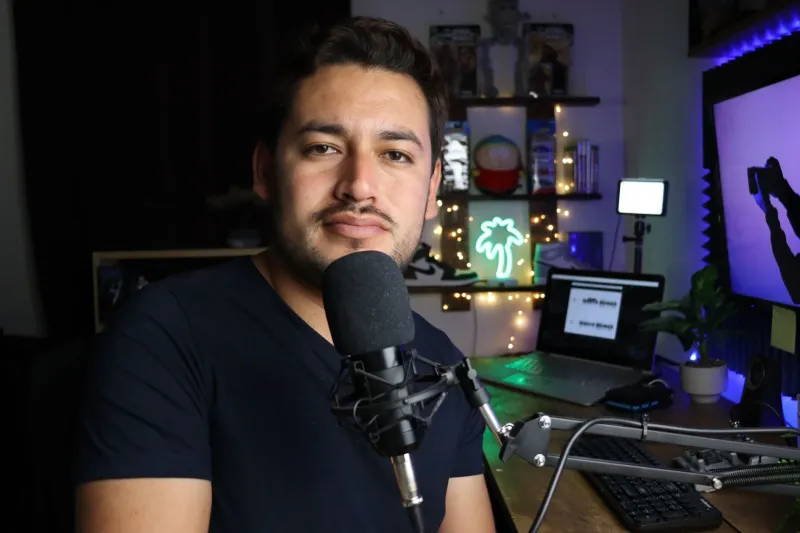
Think about some of the biggest podcast-style video creators in the US right now. A lot of them are sitting in front of bookshelves, wearing hoodies, occasionally getting interrupted by their dogs. Their setups look like something you could assemble for under a thousand bucks. But they've built communities in the millions because authenticity, it turns out, is the highest-value content feature of all — and it doesn't show up in a production budget.
The Barrier Problem
There's also a practical issue with the high-production arms race that doesn't get talked about enough: it creates a ceiling on who can even participate.
When the baseline expectation for "serious" streaming content becomes a six-figure production investment, you've effectively locked out a massive pool of voices, perspectives, and ideas. The creators who could be making the most interesting, culturally resonant content in the country might never get a shot because they can't afford the entry fee.
And here's the irony — the audiences who would love that content are actively seeking it out in scrappier formats anyway. They're finding it on YouTube, on Twitch, on podcasting platforms, on Substack video. They're building loyal viewer relationships with creators who look like them, talk like them, and aren't pretending to be something they're not.
The production arms race isn't just bad strategy. It's exclusionary in a way that ultimately hurts the diversity and freshness of content across the board.
When Platforms Realize the Budget Isn't the Point
Some of the sharper players in the streaming space are starting to catch on. There's been a quiet but noticeable shift among mid-tier and indie platforms toward what you might call "intentional authenticity" — not faking scrappiness for the aesthetic, but genuinely investing in the creator relationship rather than the production line.
That means lower technical barriers for new creators, better tools for direct audience engagement, and a move away from judging content by its production tier. Some platforms are explicitly pitching themselves to creators as alternatives to the high-overhead model — places where you can show up as yourself and build something real without having to hire a crew.
It's a smart play. Because the data keeps showing the same thing: watch time and retention correlate more strongly with audience trust than with visual quality. You can have the most beautifully shot series on the internet and still lose viewers to a guy rambling about his niche hobby into a $80 USB mic — because that guy has something the expensive production doesn't. He has a relationship with his audience.
The Authenticity Ceiling Is Real — But So Is the Floor
None of this means production quality is irrelevant. There's a floor. Unwatchable audio, pixelated video, and chaotic editing will drive people away no matter how genuine the creator is. Basic technical competence still matters.
But there's a massive middle ground between "filmed on a potato" and "looks like a Netflix original" — and that middle ground is where most of the genuinely exciting streaming content lives right now. Good enough to watch comfortably. Real enough to feel like a person made it.
Creators who have figured out how to live in that space — technically functional but humanly authentic — are the ones building the kind of sticky, passionate audiences that streaming platforms would kill for.
What This Means for the Industry
If you're a platform or a creator trying to figure out where to put your resources, the lesson from all of this is pretty uncomfortable: stop trying to look like television. Television already exists. People have it. What they're coming to streaming for is something TV can't give them — access, intimacy, and the feeling that what they're watching wasn't manufactured for the masses.
The most valuable thing a streaming creator or platform can offer in 2025 isn't a bigger budget. It's a genuine reason for an audience to feel like this was made for them. That's not something you can buy with a production upgrade. It's something you build slowly, awkwardly, and authentically — one real moment at a time.
And honestly? That's kind of the whole point of what streaming was supposed to be in the first place.