Too Much TV, Not Enough Watching: How Infinite Choice Broke Our Streaming Habits
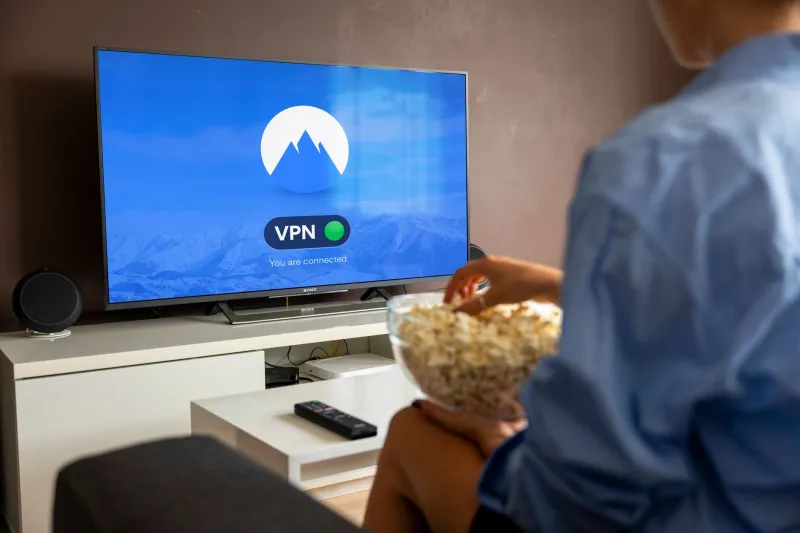
There's a moment most of us know way too well. You sit down after a long day, open up your streaming app of choice, scroll for fifteen minutes, feel vaguely annoyed, flip over to a second app, scroll some more, maybe open a third — and then somehow end up rewatching an episode of The Office you've already seen four times. Or you just close the TV entirely and doom-scroll your phone instead.
This isn't a personal failing. It's a pattern showing up in viewer behavior data across the industry, and it's got analysts genuinely concerned about where streaming goes from here.
The Paradox Nobody Saw Coming
Back when Netflix was mailing DVDs and cable still ruled the living room, the dream was simple: give people more choices and they'll watch more. Seemed logical enough. But somewhere between the launch of the fifteenth major streaming platform and the moment your home screen started showing you 6,000 titles you've never heard of, something went sideways.
Psychologists actually have a name for what happens when options multiply past a certain threshold. Barry Schwartz laid it out in his book The Paradox of Choice back in 2004 — long before streaming was even a real concept — arguing that too many options don't liberate people, they paralyze them. The more choices available, the harder it becomes to commit to any single one, and the less satisfied people feel even after they do pick something.
Apply that to a streaming library with tens of thousands of titles across half a dozen platforms, and you've got a recipe for exactly the kind of decision fatigue viewers are experiencing right now.
The Numbers Back It Up
Streaming subscriptions in the US hit a saturation point a couple of years ago, and growth has slowed noticeably. More telling, though, is what's happening with actual engagement. Several platforms have quietly shifted how they report metrics — moving away from raw viewing hours toward more favorable stats like "accounts reached" or "titles started" — which tells you something about what those viewing hour numbers probably look like.
Research from Nielsen and other measurement firms has consistently shown that despite the record number of available titles, average daily streaming time per household has plateaued and, in some demographics, actually declined. People aren't watching less because there's nothing on. They're watching less because there's too much on and the mental overhead of choosing has become genuinely exhausting.
Churn rates — the percentage of subscribers who cancel a service in a given period — have also climbed. Viewers sign up, browse, feel overwhelmed, maybe watch one or two things, and then bail. The subscription model itself starts to feel like a bad deal when half your time with a platform is spent not watching anything.
When the Menu Becomes the Experience
Here's the weird thing: streaming platforms have invested billions in content, but they've also inadvertently made the act of choosing content a significant chunk of the user experience. And that part isn't fun.
The recommendation algorithms were supposed to solve this. Feed the machine your viewing history, and it spits back a personalized list of stuff you'll love. Except most viewers will tell you those recommendations feel weirdly off — either too obvious, too random, or suspiciously promotional. When you can't trust the algorithm to guide you, you're back to scrolling solo through an ocean of thumbnails.
Some entertainment analysts have started calling this the "menu problem" — the idea that the interface between a viewer and their content has become its own friction point. It's the streaming equivalent of walking into a restaurant with a 200-item menu and leaving hungry because you couldn't decide on an appetizer.
What This Means for Smaller Platforms
For the mega-services — your Netflixes, your Max, your Peacocks — the paradox is a slow bleed. But for niche platforms, it's potentially a different story. There's a growing argument in the industry that focused, curated libraries actually perform better on engagement metrics precisely because they remove the burden of infinite choice.
A platform built around, say, true crime, or classic horror, or international sports, gives viewers a clear reason to show up and a manageable pool of content to explore. The decision fatigue doesn't disappear, but it shrinks to a manageable size. Viewers know what they're getting, they opted in for a reason, and they're more likely to actually watch something once they're there.
This is part of why niche streaming has been having such a quiet moment. It's not just about serving underrepresented audiences — it's about making the viewing experience feel less like a homework assignment.
The Live Streaming Counterargument
Interestingly, live content seems to sidestep the paradox almost entirely. When something is happening right now — a live sports broadcast, a real-time concert stream, a creator going live on their channel — there's no decision to agonize over. The choice is binary: watch this thing that's happening, or don't. That simplicity is genuinely valuable in an era of option overload.
It's one reason live streaming has seen such a surge in both viewership and creator investment. Audiences aren't just drawn to the energy of live content — they're drawn to the relief of not having to choose from a library. The algorithm can't recommend its way into that.
So Where Does This Leave Us?
Platforms are starting to catch on, slowly. Some are experimenting with curated "watch this tonight" features that narrow choices to just a handful of picks. Others are leaning harder into serialized content that keeps viewers locked in across episodes without requiring a new decision every time something ends. A few are even testing human-curated editorial picks as a counterweight to algorithmic recommendations.
None of it fully solves the problem, but it signals that the industry is acknowledging it exists. The streaming wars were fought on the battlefield of content volume — whoever had the most titles won the press release. The next phase is going to be fought on the battlefield of viewer attention, and the platforms that figure out how to make choosing easier are going to have a serious edge.
For the rest of us, the move might be simpler than any platform update: pick something, anything, and just watch it. The perfect show isn't hiding on page twelve of your recommendations. It's the one you actually press play on.
Stream Bold. Even if that just means committing to the thing you've already seen four times.