Watching Alone Is So 2020 — How Synchronized Viewing Is Bringing TV Back to Life
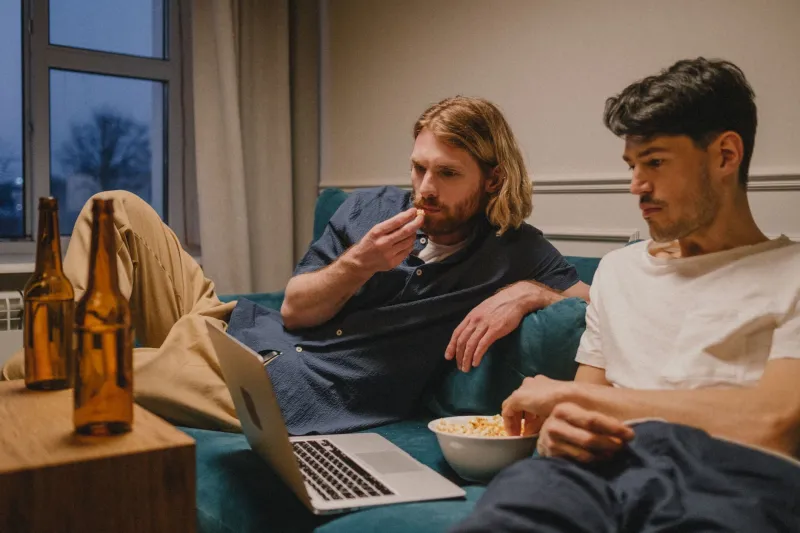
Remember when watching TV was a group activity? Not in a nostalgic, sepia-toned way — just literally, physically sitting in the same room with people you liked, reacting to the same thing at the same time. The gasp when the plot twist hit. The pause button debates. The commercial break arguments.
Streaming kind of killed that. And for a while, we told ourselves we didn't miss it.
We were wrong. And the numbers are starting to prove it.
The Loneliness Problem That Nobody Admitted Was a TV Problem
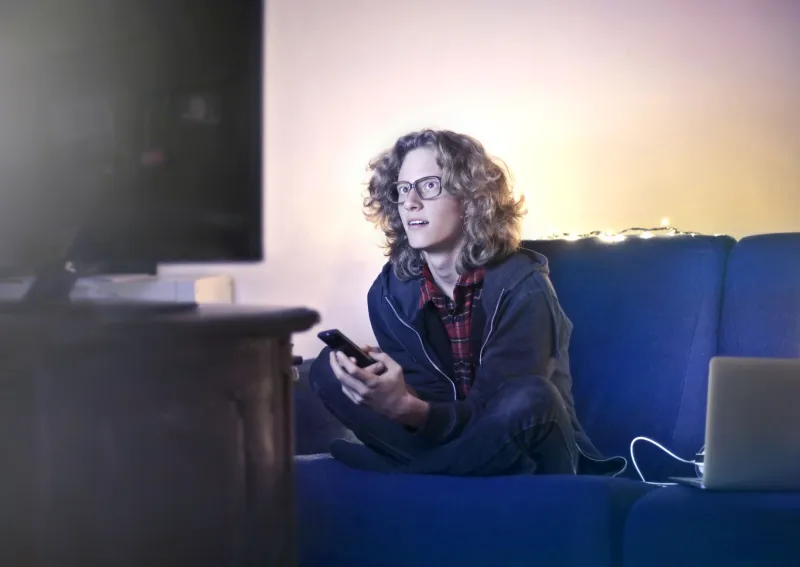
When on-demand streaming took over, it gave us control and took away community. You could watch anything, anytime, anywhere — but "anywhere" increasingly meant alone, at your own pace, on your own timeline.
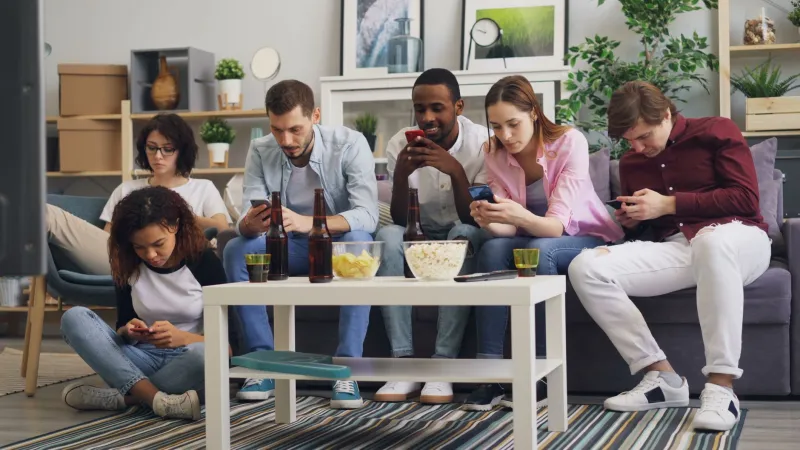
The result was a weird paradox: more content than ever, more ways to watch than ever, and somehow a growing sense that watching TV had become a solitary activity. You'd finish a show and have nobody to talk to about it because your friend was three episodes behind and your coworker was already done with the whole season.
Spoilers became the enemy of shared experience. And shared experience is kind of the whole point of popular culture.
Enter the watch party.
What a Watch Party Actually Is (For the Uninitiated)
If you haven't tried one yet, the concept is simple: a group of people watch the same content simultaneously, regardless of where they're physically located, while communicating in real time through chat, voice, or video.
The tools vary. Teleparty (formerly Netflix Party) is probably the most widely known — it syncs playback across multiple viewers and attaches a chat sidebar to the stream. Discord has built watch-together functionality directly into its platform, letting server communities host synchronized viewing sessions with voice chat running alongside. Amazon Prime Video has a built-in watch party feature. Apple TV+ has SharePlay through FaceTime. Even Hulu has experimented with group watching tools.
The tech isn't complicated. The experience it creates, though, is genuinely different from watching alone. Reactions happen together. Jokes land in real time. That shocking moment at the end of episode four hits everyone simultaneously, and the chat erupts.
It's appointment TV, rebuilt for the streaming era.
The Rise of Live Reaction Streaming
Pull back from the private watch party and you get something even bigger: live reaction content.
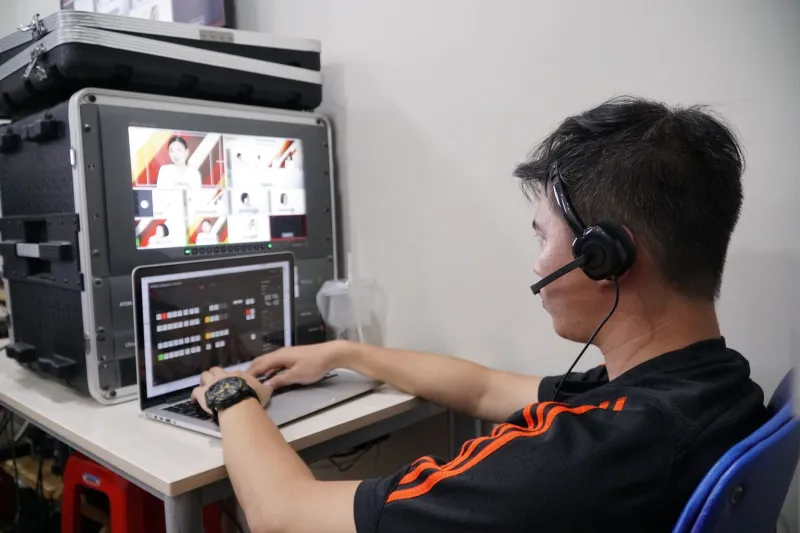
Creators on Twitch, YouTube Live, and TikTok Live have built entire audiences around the experience of watching them watch things. First-time reaction videos have been a YouTube staple for years, but live reaction streaming adds the communal layer back in. Thousands of people tune in not just to see a new episode of a popular show, but to experience it alongside someone whose reactions they find entertaining, comforting, or just genuinely fun.
This is where watch parties intersect with the broader live entertainment world. A streamer hosting a watch party for a new season premiere isn't just consuming content — they're creating content. The audience isn't watching the show. They're watching the streamer watch the show, while also watching the show, while also participating in a live chat that's reacting to all of it simultaneously.
It sounds like a lot, but it works. It works really well.
Why Spoilers Are Losing Their Power
Here's one of the more interesting side effects of the watch party trend: synchronized viewing is actually defanging spoilers.
Spoilers only ruin things when viewing is asynchronous — when everyone is on a different timeline. If you and your friend watch the season finale together, in real time, there's no spoiler risk. The experience is shared. The shock is mutual.
Watch parties, by design, put people back on the same clock. And when a show's fan community rallies around a premiere night watch party — whether through a Discord server, a Teleparty link, or a streamer's live broadcast — it recreates the cultural moment that appointment TV used to guarantee.
Remember when Game of Thrones episodes felt like events? Part of what made them feel that way was that millions of people were watching at the same time, reacting at the same time, and flooding social media simultaneously. The watch party phenomenon is essentially an attempt to bottle that energy and apply it to on-demand content.
It's not a perfect solution, but it's a genuinely smart one.
The Social Currency of Shared Viewing
There's something else happening here that's worth paying attention to: watch parties are creating a new kind of social currency.
Being part of a watch party for a buzzy premiere — having the receipts, the screenshots from the chat, the voice memo of your friend losing it during the cliffhanger — has become a form of cultural participation. It's the difference between having consumed something and having experienced something with people.
That distinction matters more than it might seem. In an era where content is practically infinite and attention is the scarce resource, the experiences that feel live and shared carry more weight. They're more memorable. They're more talkable. They generate the kind of word-of-mouth that no algorithm-driven recommendation can replicate.
Platforms are starting to understand this. The investment in watch party infrastructure from major streamers isn't accidental — it's a response to real data showing that socially-engaged viewers retain subscriptions longer and watch more content.
What This Means for How We Think About Live Entertainment
At JNeiPTV, we've always believed that the live experience — the shared moment, the real-time reaction, the feeling of being part of something as it happens — is what separates great entertainment from content you forget by Tuesday.
Watch parties are proof that audiences agree, even if they didn't have the language to say so before.
The platforms and creators who lean into synchronized, communal viewing aren't just offering a feature. They're offering an antidote to the isolation that on-demand culture accidentally created. They're saying: you don't have to watch alone, and watching together is actually more fun.
That's not a hard sell. That's just the truth.
So find your people, pick a premiere date, drop a Teleparty link in the group chat, and watch something together. The spoilers can wait. The shared experience can't.