One Stream, Every Screen: How Creators Are Blowing Up the Platform Loyalty Game
Not that long ago, the play was simple: pick your platform, build your audience there, and hope the algorithm rewarded your loyalty. Twitch was for gamers. YouTube was for everyone else. TikTok was for short stuff. The walls between these ecosystems felt real, and crossing them felt risky.
That era is quietly ending. And the people ending it are live streamers who got tired of leaving viewers on the table.
The Multi-Stream Moment
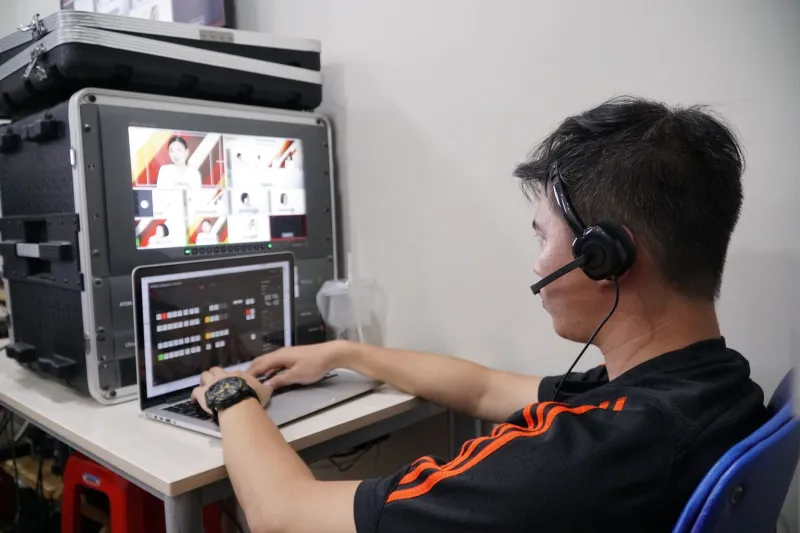
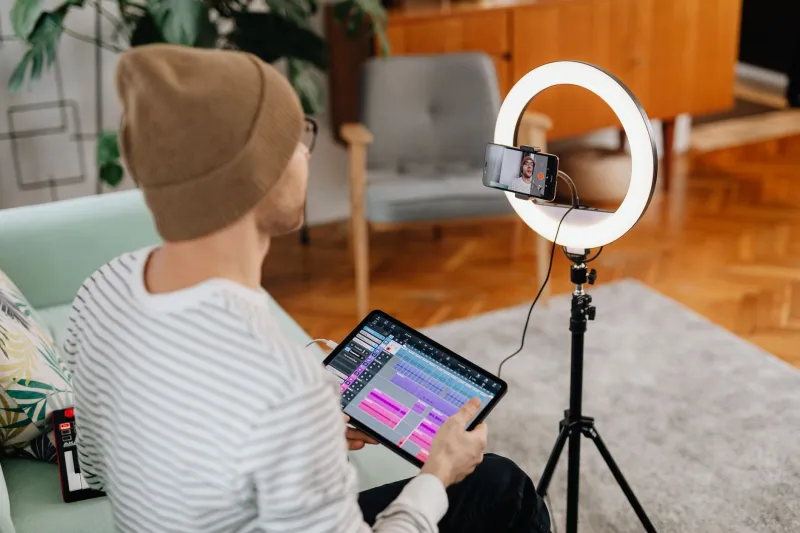
Multi-streaming — broadcasting live simultaneously to multiple platforms — has been technically possible for a while, but it's moved from niche workaround to legitimate strategy faster than most of the industry expected. Tools like Restream, Castr, and Streamyard have made the logistics accessible enough that you don't need a production team to pull it off. A solo creator with a decent setup can go live on YouTube, Twitch, TikTok Live, and their own website simultaneously, reaching completely different audience pockets at the same time.
The numbers are starting to make a compelling case. Creators who've adopted multi-streaming consistently report meaningful boosts in total live viewership — not just because they're reaching more people, but because different platforms attract different kinds of viewers. Your Twitch regulars aren't the same crowd as your YouTube subscribers, and your TikTok followers are often a completely different demographic again. Going live everywhere means you're not forcing any of them to migrate somewhere unfamiliar just to watch you.
Why Platform Exclusivity Was Always a Weird Bet
Here's the thing about exclusive streaming deals that nobody said loudly enough: they were mostly great for the platforms, and only sometimes great for the creators. The platform got to advertise your name as a reason to sign up. You got a check upfront and a built-in audience — but you also got a ceiling. Your growth was capped by whoever was already on that platform and willing to find you.
When those exclusive deals run out — or when creators do the math and realize their audience isn't growing the way they expected — multi-streaming starts looking a lot more attractive. You're not locked into one company's algorithmic mood swings. You're not betting everything on one platform's health. Remember when Mixer shut down practically overnight and took a bunch of big creators' audiences with it? Yeah. That kind of thing has a way of clarifying your priorities.
Multi-streaming is, at its core, a risk management strategy as much as a growth strategy. You're not putting all your viewers in one basket.
The Technical Reality (It's Not Always Pretty)
Okay, let's not sugarcoat this part. Multi-streaming is more complicated than single-platform broadcasting, and the complications are real. Different platforms have different technical requirements — resolution, bitrate, latency settings. Chat is fragmented across multiple streams simultaneously, which creates a genuine moderation headache. You're either watching several chat windows at once, missing half the conversation, or paying someone to help you manage it.
Latency is another wrinkle. TikTok Live and YouTube Live don't sync up perfectly, which means your audience across platforms might be experiencing your stream at slightly different points in real time. For most content types, that's fine. For interactive content — games with viewer participation, live Q&As, real-time polls — it creates some awkward moments.
And then there's the bandwidth. Streaming to multiple destinations simultaneously means your upload requirements go up, and not every home internet setup is built for that. Creators in areas with inconsistent connectivity have reported that multi-streaming can introduce instability that single-platform broadcasting doesn't.
The tools have gotten better at smoothing these issues out, but they haven't eliminated them. The creators winning at multi-streaming tend to be the ones who've invested time in understanding the technical side, not just the marketing upside.
Who's Actually Winning at This
The clearest success stories are coming from creators who already had established audiences on at least one platform before expanding. Going multi-stream cold — with no existing base anywhere — is a harder sell, because you're splitting your discoverability across platforms where you're unknown.
But for creators with a solid foundation? The results can be striking. Variety streamers — people whose content isn't tied to a single game or topic — tend to do especially well, because their content travels across platform cultures more easily. IRL streamers, talk-show style creators, and live music performers have also found multi-streaming particularly effective, since their content has broad appeal that doesn't get lost in platform-specific context.
Some creators are also using multi-streaming strategically rather than universally — going wide for big events, premieres, or special broadcasts, then returning to a primary platform for regular content. It's a best-of-both-worlds approach: the reach of multi-streaming when it matters most, the community depth of a single platform for day-to-day relationship building.
What This Means for the Live Entertainment Landscape
For platforms, multi-streaming is a genuine challenge to the old model of audience capture. If a creator's audience can watch them anywhere, the platform's leverage shrinks. This is already pushing some platforms to compete harder on creator-friendly features — better revenue sharing, improved discoverability tools, more flexible monetization options. The race to be the platform creators prefer rather than the one they're locked into is already underway.
For viewers, multi-streaming is mostly good news. You can watch your favorite live creators on whatever platform you already live on, without having to create an account somewhere new or learn a different interface. The experience comes to you instead of demanding you relocate.
And for the live entertainment industry more broadly? It's a signal that live content's value isn't platform-dependent anymore. The moment is what matters. The community gathered around that moment is what matters. Where exactly that's happening is becoming almost secondary.
Here at JNeiPTV, we've built our whole thing around the idea that live content is worth showing up for — that the energy of a real-time broadcast is something on-demand just can't replicate. Multi-streaming doesn't dilute that energy. If anything, it amplifies it. More screens, more viewers, same electric moment. Stream bold, watch live — wherever you happen to be.